

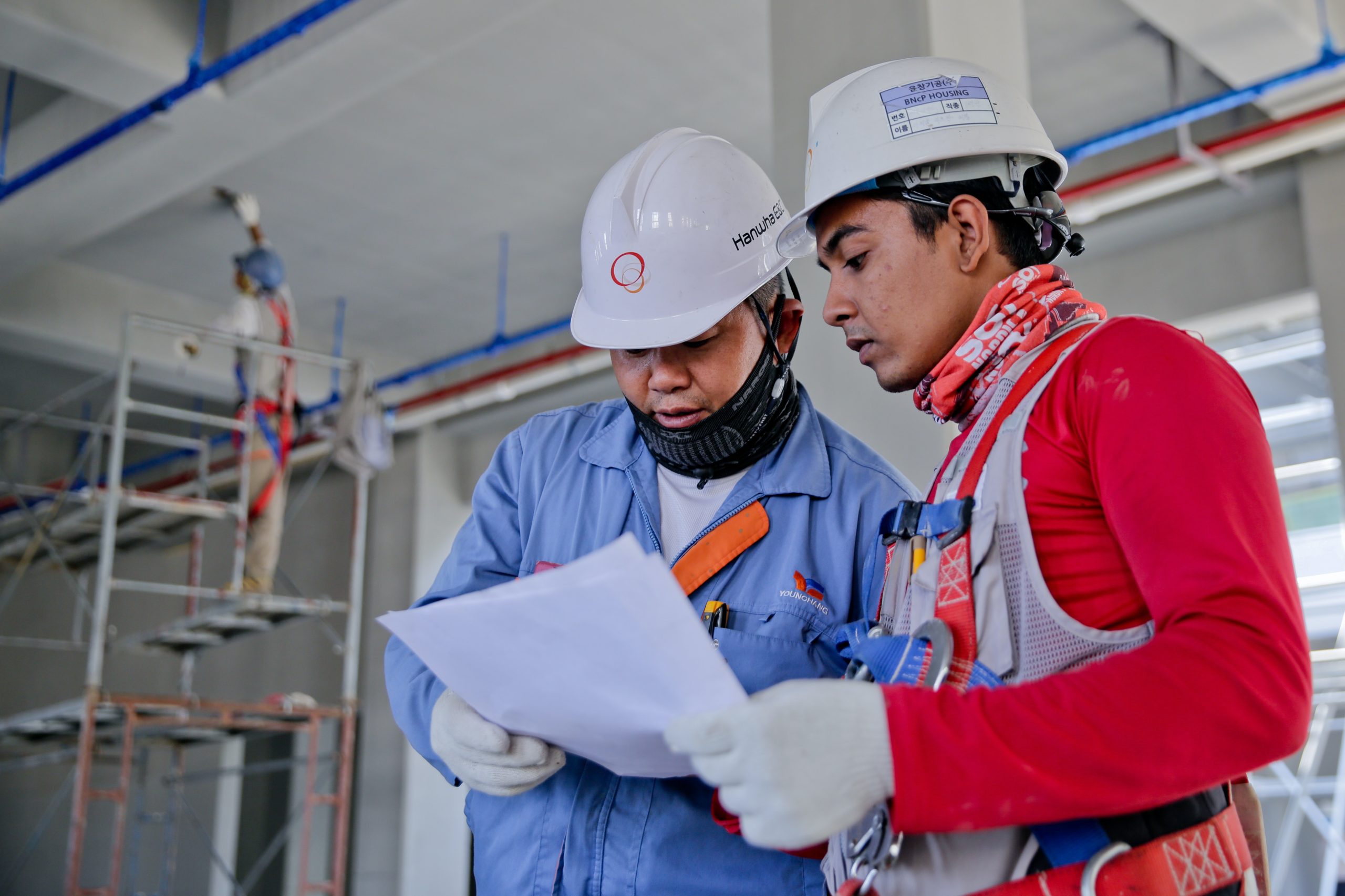
Construction management plays an essential role in the successful completion of projects. It is a process when planning, organizing, and controlling the different steps involved in the construction project are carried out. Having an effective construction manager at the helm can make a significant difference to the success of any given project, by ensuring it gets completed on schedule and within budget. This blog will delve into this topic further by discussing how important construction management is for timely results, exploring various ways this practice can ensure success, and providing tips for successful construction management practices. Whether you are a construction manager, contractor or owner, understanding how construction management works is vital in ensuring your project’s success – let’s explore this concept further!
Overview of Construction Management
As complexity has increased in the construction industry, so too have the responsibilities of construction managers. These professionals are now charged with overseeing workers and subcontractors, as well as monitoring budgets and timetables.
An effective construction manager is essential for the success of any construction endeavor. They need to keep abreast of progress, detect any possible issues, and develop strategies to ensure the successful completion of the project.
Construction projects come in all shapes and sizes, from minor home renovations to major commercial developments. For each, an effective construction manager is key to success.
Types of Construction Management
There are several types of construction management, among which project management, lean construction management and value engineering stand out. Each has its own advantages and disadvantages; thus, it is essential to make the right decision for a given project.
Project management is the most widely used form of construction management. It entails devising an in-depth plan, setting benchmarks and ensuring everyone involved is aiming towards a unified aim. Lean construction management is the latest form of construction management, emphasizing efficiency and curtailing waste. Value engineering focuses on how to optimize project value without escalating costs.
No matter the construction management style, the aim is to guarantee that the endeavor will be done on schedule and with minimal expenses, all while meeting exceptional quality.
Tools for Effective Construction Management
Project management software applications are a useful tool for managing construction projects. They can help monitor deadlines, milestones, and budget. This way, the project can stay on track and adhere to its constraints.
A project schedule can be used as a helpful tool to guarantee that tasks are accomplished within their allotted timeframe and that there is sufficient time for each task.
A third resource which can be utilized is a risk management plan for the project. This will assist in recognizing and reducing potential risks connected with the construction.
Construction managers can enhance the likelihood of their projects being finished on schedule and within budget by utilizing these tools.
Benefits of construction management
Construction management entails overseeing the entire construction process, from the initial stages to completion. It requires close collaboration between construction managers, architects, engineers and other relevant personnel to guarantee adherence to the project’s plans. This helps to ensure that projects are brought in on time and cost effectively.
Using construction management services can be beneficial in numerous ways, from saving time and money to avoiding costly mistakes and securing more agreeable deals. Construction managers are invaluable for coordinating all elements of the project, ensuring efficiencies of every kind.
The ability of construction managers to facilitate communication between the parties involved in a project is an enormous benefit. They can help to prevent misunderstandings and attenuate delays which may incur additional costs. An open line of communication is essential, and construction managers are integral in ensuring this is accomplished.
Construction managers can improve safety on a construction site by coordinating activities and enforcing safety regulations. This not only benefits the workers, but it can also save money due to fewer delays or fines resulting from accidents.
Best Practices for Timely Results with Effective Construction Management
Utilize these tactics to assist you in efficiently obtaining beneficial outputs from your construction management: scheduling, resource allocation and cost control.
A comprehensive project plan is necessary for successful construction management. It must include the project aims, timeline, budget and resources needed. This information needs to be shared with all people involved in the project; from the construction team to subcontractors and suppliers.
Project management software simplifies tracking progress, managing tasks, and communicating with stakeholders. There are plenty of choices to choose from, such as Asana, Trello, or Microsoft Project that provide real-time updates.
Bring in knowledgeable project managers: With their skills and expertise, knowledgeable project managers can help guarantee that projects are accomplished within the time frame and budget. Additionally, they are able to recognize potential issues early on and quickly take action to prevent them from arising.
Efficient cooperation with those involved in the development is imperative for successful project management. This includes architects, engineers, subcontractors and suppliers; regular communication and collaboration can help pinpoint prospective issues before they balloon into major ones.
It is important to regularly review the progress of a project in order to identify any potential problems or delays. This should be done through daily site inspections, weekly progress meetings and monthly progress reports.
Implementing Lean construction principles can boost efficiency and cut down on excess in construction projects. Just-in-time delivery, continuous improvement and value engineering are some of the practices used to accomplish this.
In order to guarantee a high level of achievement in construction projects, quality control measures should be put into place. This may necessitate routine inspections, testing and the filing of pertinent paperwork.
By implementing these strategies, you can assist in making certain that your construction project is finished on schedule and within the allotted funds. Successful construction management is indispensable for reaching results in a timely fashion and necessitates thoughtful planning, communication, and working with stakeholders.
Strategies for Overcoming Common Challenges in Construction Management
Construction managers are tasked with completing construction projects both on time and within budget, while also meeting the necessary standards. Despite this being a difficult job, due to the numerous risks associated with it, they strive to do their best.
Construction managers are beset by a number of challenges, but strategies can be employed to overcome them. Among the difficulties they may encounter is insufficient capital, inadequate workforce, scheduling conflicts and unforeseeable hazards. However, these issues can be tackled through better financing options, hiring additional personnel, planning ahead and taking into account potential risks.
1. Poor communication and coordination between different parties involved in the project.
A key hurdle when undertaking construction projects is having multiple actors, e.g., the owner, architect, engineers, contractors and subcontractors, functioning in perfect alignment. For successful navigation of this obstacle, clear communication and collaboration must be exercised from the start. A successful strategy for this could be to convene regular meetings to review progress and confirm each entity’s understanding.
2. Unclear objectives and scope of work.
It is essential that objectives and scope of work for a construction project are clearly determined from the beginning to avoid potential issues. Doing this will ensure that all objectives and requirements are well-understood, allowing everyone to work towards the same goal.
3. Changing specifications and requirements.
It is essential for the success of a construction project that any modifications in specifications or requirements are quickly communicated to all those involved. This will help to avoid delays and extra costs resulting from such changes.
4. Inadequate cost estimation
For the construction project to remain within its budget and timeline, accurate, up-to-date cost estimates are paramount. Experienced and capable personnel must be exercised in order to attain this goal; likewise, cost has to be rigorously monitored from start to finish.
5. Poor quality workmanship
Inadequate craftsmanship can cause a variety of issues throughout the building process, including postponements, cost inflation and needing to make expensive restorations down the line. To evade this, it is essential to hire only certified contractors and subcontractors who are known for their superior workmanship.
Conclusion
Construction management is a great way to see a project through from start to finish and accomplish successful results in a timely manner. Using up-to-date technology, software and experienced personnel, various processes can be closely monitored to increase efficiency. Ultimately, effective construction management cuts down on waste while still producing quality work that meets all requirements and deadlines. Incorporating construction management into your plans will help you avoid any issues before they arise, helping you meet the goals within budget and on schedule.
FAQs
1. What are some common construction management challenges that can lead to delays?
Various factors can contribute to construction delays, from inadequate project preparation and overly-ambitious schedules to an absence of resources, design/scope alterations, and adverse weather.
2. What strategies can effective construction management employ to surmount these difficulties and guarantee on-schedule delivery?
An experienced construction manager will be aware of potential delays, recognize how to prevent or reduce them, and have protocols that help keep the project on track.
3. What are some key components of an effective construction management system?
An effective construction management system should incorporate clear objectives, regular progress updates, proactive risk identification and avoidance, and strong communication between all project participants.
4. How important is having a dedicated construction manager on site?
Having a dedicated construction manager available can be advantageous for improving communication and coordination between teams, as well as identifying any problems that may arise in time for them to be solved before delays are incurred.
5. What are some other tips for achieving timely results with effective construction management?
To ensure a successful project outcome, having all stakeholders committed to the timeline is key, as well as setting achievable objectives and maintaining an upbeat attitude.