

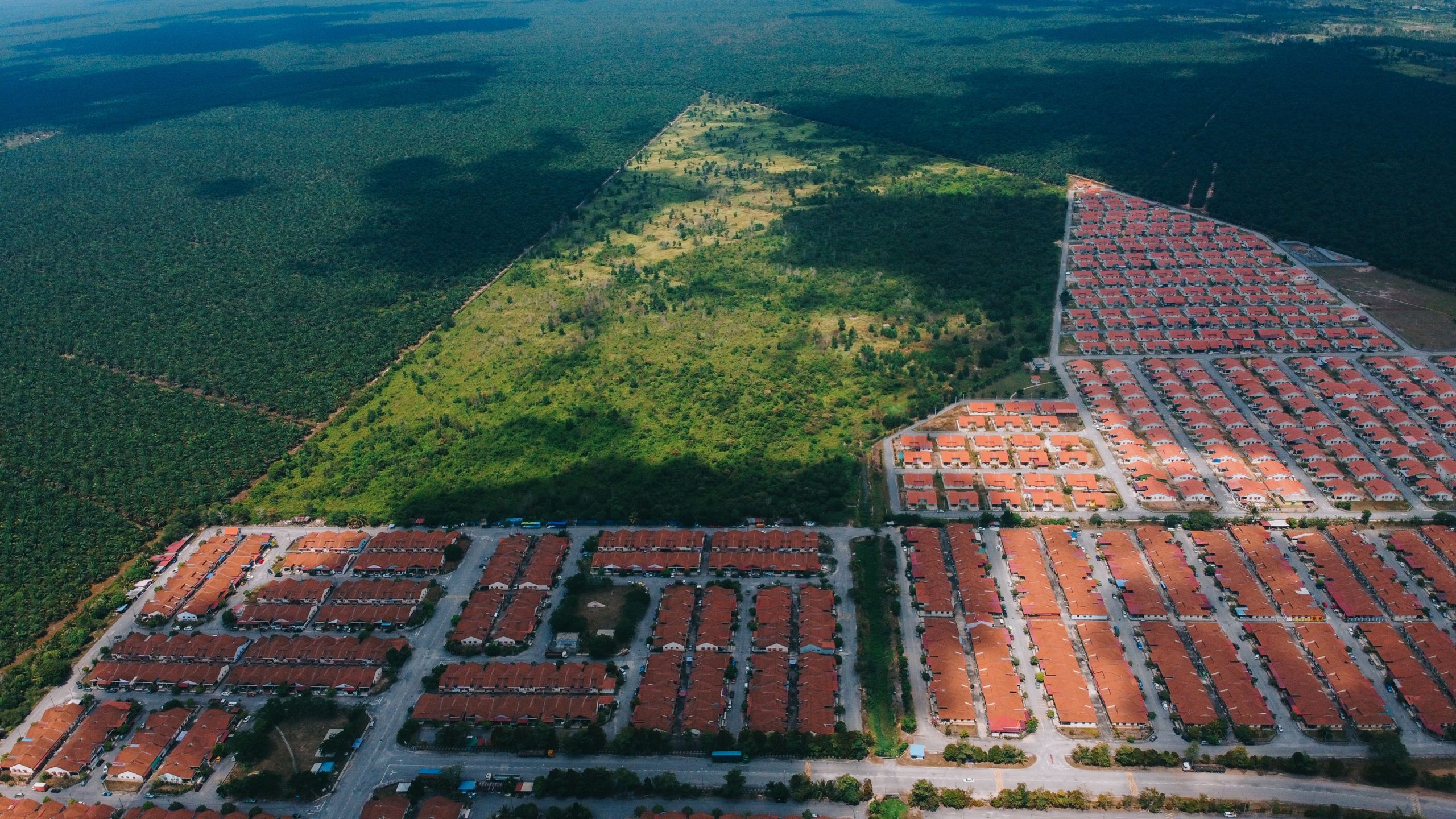
Buying in a land estate is one of the most common ways Australians build a brand new home, and it usually starts with a walk through a display village. These villages line up several display homes side by side, built by different builders, so buyers can compare styles and floor plans in one afternoon.
A display home looks like a finished, move in ready house, but it is not the actual home you would end up owning. It is a showcase, fitted out with upgrades and styling designed to sell you on a builder’s range. Understanding this, and how land estates actually work, can save buyers a lot of confusion.
What Is a Display Home, Really?
A display home is a fully built, professionally styled house that a builder uses to showcase their range. Volume builders often set up several display homes in one location, called a display village, so shoppers can compare floor plans and finishes side by side.
Remember that a display home is a marketing tool. Builders usually add upgrades such as premium flooring, lighting and landscaping that are not included in the standard price. You may need to select these extras separately, and each one adds to the final cost.
Walking through a display home still gives you a genuine sense of room sizes and how a floor plan flows. Treat it as a sample of what is possible, not a guarantee of what you will get, unless you specify those inclusions in writing.
How Buying in a Land Estate Actually Works
Buying in a land estate differs from buying an established property, mostly because you are often purchasing vacant land before a house exists.
Developers release land in stages, sometimes through a ballot when demand is high, and buyers put down a deposit to secure a lot.
Once your land contract is signed, there is usually a wait for the land to be titled, meaning the subdivision is registered and the block is legally ready for settlement. Only after settlement can construction typically begin, though some builders let you lock in plans earlier.
From there, most buyers either arrange a house and land package, where the land and build are bundled together, or buy the land first and organise a build separately.
These are two different legal contracts even when sold as one package, so read both carefully. Moneysmart has general tools that can help with budgeting for a purchase like this.
House and Land Packages vs Buying an Established Home
A house and land package means buying vacant land and a new build together, usually from the one estate. An established home already exists, so what you see is what you get, and you can move in as soon as settlement is complete.
New builds can come with tax differences worth understanding. Goods and services tax generally applies differently to new residential property than to established homes, so it is worth checking current guidance from the ATO.
Stamp duty treatment can also differ between vacant land, house and land packages and established homes, and concessions vary for first home buyers. Because rules differ across states, always confirm current settings with your state revenue office.
The trade off is time, since you are usually waiting months for construction, compared with an established home you could move into within weeks. On the upside, everything is unused, and you get some choice over finishes.
What to Check in an Estate’s Covenants and Design Guidelines
Most land estates come with covenants, legally binding rules attached to the land title that control what you can build. Developers use covenants to keep a consistent look across the neighbourhood and manage fencing and landscaping standards.
Design guidelines go further, often setting minimum build costs and facade requirements. Breaching a covenant can be costly to fix later, so review these documents closely, ideally with a conveyancer, before you commit to a lot. Worth checking:
- Minimum and maximum dwelling size, and any minimum build cost requirements
- Fencing, landscaping and driveway material rules
- Facade diversity rules that stop identical homes sitting side by side
- Colour scheme restrictions for roofs, walls and driveways
- Time frames for completing landscaping and fencing after you move in
- Any requirement to build within a set period after land settlement
Typical Timelines From Land Settlement to Build Completion
Every project is different, but new builds in a land estate tend to follow a similar broad sequence.
After settlement, there is usually a period for site costs to be assessed, covering things like soil testing and any extra work needed because of slope or soil type.
Construction then moves through recognisable stages, including slab, frame, lock up and fixing, before a final handover once compliance checks are complete.
A straightforward build can take somewhere in the order of several months, though this varies with the builder, home size and season.
Delays are common in growth areas, particularly when many buyers are building at once and trades or materials are in high demand. Weather and approvals can also push out completion, so ask your builder for a realistic estimated timeframe in writing.
Questions to Ask About Infrastructure, Easements and Completion Dates
Before you commit to a lot, ask the developer practical questions about what is in place. Roads, sewer, power, water and internet are not always finished when land first goes on sale, and building can be delayed until services are ready.
Easements are another thing to check. An easement gives another party, such as a utility provider, the legal right to access part of your land, often for underground pipes or cables. This can restrict where you build, so ask for a copy of the title and plan of subdivision.
It is also reasonable to ask for an estimated completion date for the estate’s infrastructure and your build, and what happens if either is delayed. For guidance on your rights in a building contract, resources from your state’s fair trading body are a useful starting point.
Conclusion
Buying in a land estate can be a great way to get a brand new home exactly where you want it, but the process differs from buying an established property.
Understanding that a display home is a showcase, and checking covenants, easements and realistic timeframes, makes the experience smoother.
Because every estate and contract is different, and a land and build purchase is a major financial commitment, it is worth speaking with a conveyancer, broker or buyer’s agent about your situation before signing anything.
If you are exploring house and land options, seen.com.au features apartments, townhouses and land estates across major Australian cities.
FAQs
1. Is a display home the exact house I will get if I buy in that estate?
No. A display home is a styled showcase, usually with upgrades like premium flooring and landscaping not included in the standard price. Your actual home is built to the specifications in your contract, so confirm what is included before you sign.
2. Do I need a separate building contract if I buy a house and land package?
Usually yes, even when marketed as one package. The land purchase and the building contract are typically two separate legal documents, so it is worth having a conveyancer review both before you commit.
3. What is a covenant on a land estate, and can I remove it?
A covenant is a set of rules attached to the land title that controls building style, fencing and landscaping to keep a consistent look across the estate. Covenants are legally binding and generally cannot be removed by an individual buyer, so read them before purchasing.
4. How long does it typically take from settlement to moving into a new build?
Timeframes vary widely depending on the builder, home size and how busy the industry is at the time. In general terms it can take several months from slab to handover, so ask your builder for a realistic written estimate.
5. What should I ask about energy efficiency in a new build?
New Australian homes are generally required to meet minimum energy efficiency standards, and independent information on how homes are rated is available through NatHERS. Ask your builder what rating your home is designed to achieve and whether upgrades are available.