

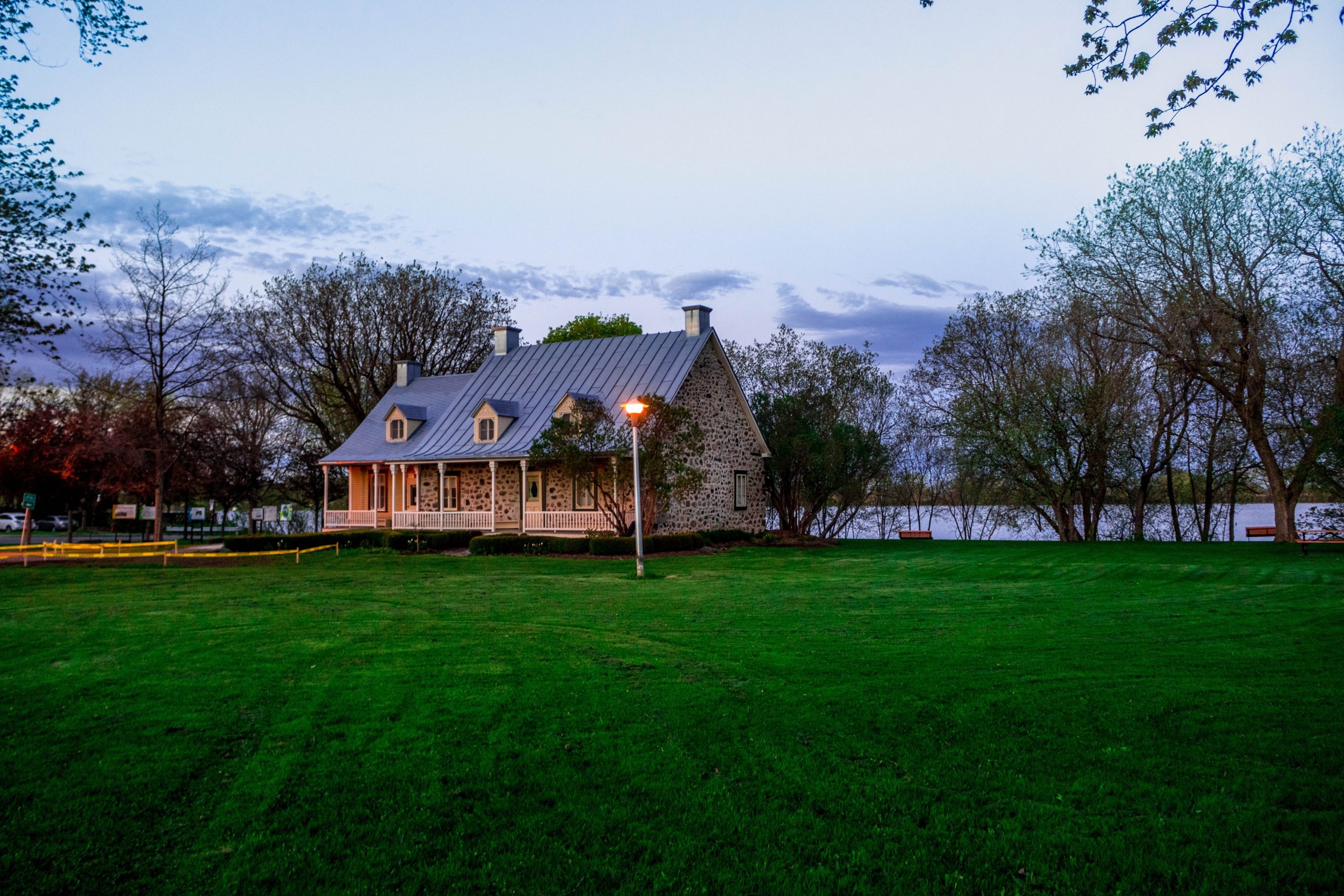
A commercial space is a word used in real estate to refer to an area used to conduct businesses or executive uses. Am example of a commercial space including a fashion show room, restaurant or offices. A commercial space is an essential part as you carry out your day-to-day business both to the owner and the tenant that is if you are planning on opening a physical location for your business.
A commercial space generates income for the owner and doesn’t necessarily have to have commerce going on in it. In this blogpost, we are going to look at various aspects of commercial spaces and how you can use this knowledge for your own benefit.
Various types of commercial spaces
There is a variety of commercial spaces and their sub branches which we will discuss below.
1. Manufacturing spaces
These spaces have a substantial square length, a landing stage for loading trucks, several electrical points, a levelled roof among other features.
Its branches are;
- Mass production center; this space us used for production or manufacturing of raw materials and goods. It can either be a heavy mass production space or a light mass production space. A heavy mass production space makes heavy duty goods and has enormous machines and appliances. These spaces are customized for specific uses and specific users. Contrary, a light mass production space produces smaller machinery as compared to a heavy mass production space.
- Stockroom; This type of space is used for storing a wide range of products and distributing them. It has an open space plan that helps in making more room for the rack systems that have been out in place. Some stockrooms have a special terminus where trucks are loaded with goods.
- Flex space.; A flex commercial space is a structure that incorporates a number of uses in one facility. Examples of flex commercial spaces is an office space in conjunction with a light manufacturing space, which fully depends on the aggregate office space available.
2. Retailing spaces
These spaces are where products or services are sold or offered directly to clients. Such spaces may have parling lots, sidewalks and maybe elevators. Its sub branches are as follows;
- Shopping malls; this space is a secluded purchasing center that accommodates various outlets such as food parlors, movies halls and departmental stores.
- Shopping plaza; these are shops mainly based at the front of the store with various units within the same composite. The shopping plazas are mainly depots together with other small-scale businesses such as shops, hotels or convenience stores.
3. Workroom
A commercialized workroom is a space that business, medical and dental personnel’s use. A workroom is divided into various rooms that may include restrooms and a residential kitchen. It’s sub branches include;
- A workroom building; this space is planned for bigger residency and it ranges in different dimensions. It may also have an elevator in case it contains more than one story and multiple electrical systems.
- Apartments; these spaces are built in such a way that the exterior is sustained by the property manager, whereas, the interior space is leased, rented or owned by tenants.
- Medical apartments; this is a large unit that is divided into various smaller units that consist of offices, examination and surgical rooms. They may also include waiting rooms, washrooms and plumbing units. The dimensions and complexity of these spaces may differ and it is common for such spaces to consist of modified and permanently fixed structures.
4. Hotels and accommodation
Hotels and accommodation are also another type of commercial spaces available. They feature several units used by individuals. Accommodation offers short term or temporary residency to individuals, on the other hand, hotels offer a place where people can gather, get food and drinks, or hold a party or an event.
All these activities make hotels and accommodation commercial spaces because owners get some income from the activities carried out in these spaces.
5. Restaurants
A restaurant is also a commercial space but it a bit different compared to hotels. They differ in size in that a restaurant has a larger kitchen with large scale appliances, panty and storage spaces. Some of the available spaces include offices, dining rooms and washrooms.
There are other types of commercial spaces that may not fit into the above-mentioned categories because they serve special purposes. These include; casinos, education centers, worship centers and airports.
How to rent out a commercial space – tips
It can be challenge to rent out a commercial space. there are several things that you have to consider such as location, nature of your business, affordability and legal procedures. In order to ensure that you get the best commercial space for your business we are going to provide you with several tips to consider before renting out a commercial space.
1. The big decision
Before renting out a commercial space, you have to decide whether it is essential to your business. This will depend on the nature of your business. It will also depend on whether your employees will be working remotely or on-site. Therefore, the big decision clearly depends on you so you will have to take some time to plan it out.
2. Decide on a suitable location
The location you choose also depends on the nature of your business. You have to consider things such as your target market, your employees’ location; you need to choose a location that is nearby for you as well your employees.
3. Think about the space you need
Space is one of the most crucial factors to consider; you need to get a sizable space to facilitate a smooth running of your business operations. You must calculate the amount of space you need because more space means that the rent will be high. You can also consider whether you will expand your business in future.
4. Choose a secure commercial space
Security is an important aspect of any business; you must consider a secure space so that ‘you are assured of your businesses’ safety whether you are working or not. Identify the sort of security features that have been put in place to safeguard your space, they may include security cameras and alarms doors.
5. Strategize your budget
Before deciding or visiting our desired location, you must first plan your budget; rent out a space that is cost effective for you and your business. You may prefer to select a space that is within or below your budget.
An overview of commercial lease
While renting out spaces you will come across the term commercial lease.it is very important to understand what this term means because you will come across it severally. Commercial lease is one of the most crucial engagements for a business practitioner so you need to get it right.
A commercial lease contains terms and condition when you rent out a commercial space to carry out your business. It is a legal agreement that is made between the commercial property owner and the tenant.
Some lessors find it easier to hire legal representatives to negotiate the commercial lease terms with the lessee. This saves them time that would otherwise be used in negotiations. There are several components of a typical commercial lease agreement; these includes;
- Personal information of the lessor
- Basic information of the commercial pace
- The type of commercial space you will lease
- The size of commercial space
- The duration of the lease
- The cost and other charges of the commercial space
- Miscellaneous information about the property and leasing process
Conclusion
Commercial spaces are key players in businesses. Therefore, it’s important to understand what it is and how you can venture into it. We hope this article has provided you with the insight you need to get started as a lessor. The best thing to do in order to successfully lease a commercial property is to take your time and research about the commercial space you are interested in. Follow the tips provided above to successfully lease a commercial space and start or grow your business.
FAQs
1. Which commercial space is the most common?
The most common commercial spaces are industrial and retail buildings and office spaces. This is because these the widely used and most common around the world.
2. How do I find a favorable commercial space for my business?
To get a good commercial space for your business you need to consider the nature of your business and ensure that the space aligns with your business goals. Do your research and never settle for something that is not to your desired standard.
3. How do i get a good deal on a commercial space?
the best way to get a great deal on a commercial space is through negotiation with the lessee. If the nature of your business allows, you can move to the location where the commercial spaces are cheaper.
4. Do I need a professional while renting out a commercial space?
It is not absolutely necessary to hire a professional on your quest to rent out a commercial space but it is highly recommended especially if you are not comfortable with the who process of leasing a commercial property. They will help you navigate the legal technicalities of commercial leasing.
5. What costs are incurred in leasing of commercial space?
There are several costs that comes with leasing a commercial space; these include rent, legal fees, paperwork costs and more. The best thing to do is stick to your budget.