

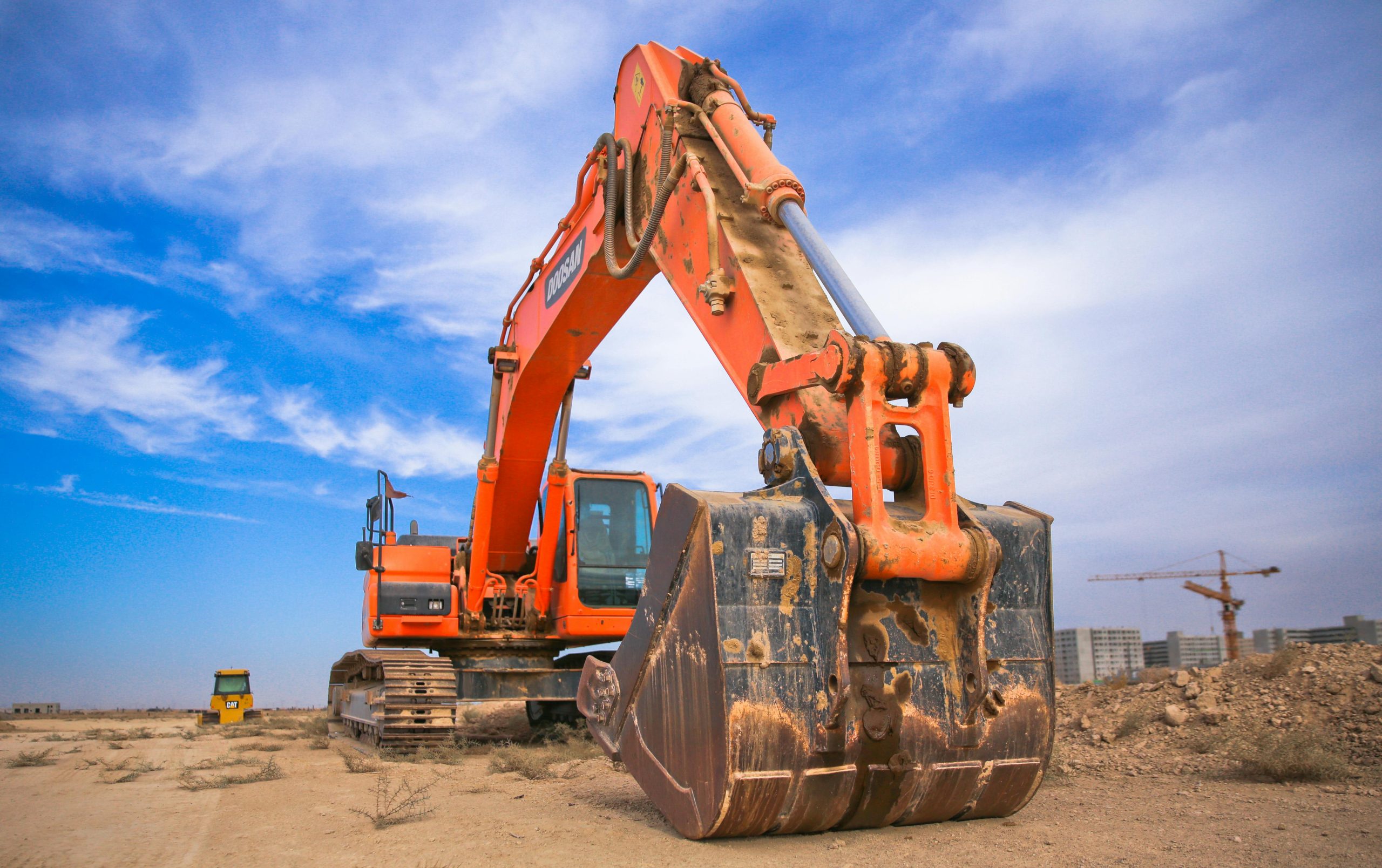
What is civil construction, and why does it shape the world around us every single day? Civil construction forms the backbone of modern society by creating the essential infrastructure we rely on daily.
From the roads you drive on to the bridges you cross and the water systems that supply your home, civil construction makes modern life possible.
This industry builds, maintains, and upgrades the physical infrastructure that connects communities and supports economic growth.
Understanding civil construction opens doors to exciting career opportunities and helps you appreciate the complex engineering behind everyday conveniences.
Whether you’re considering a career change or simply curious about how our cities function, this guide covers everything you need to know about Australia’s thriving civil construction sector.
What Is Civil Construction?
Civil construction involves the planning, design, and building of infrastructure projects that serve the public.
Unlike residential or commercial construction that focuses on private buildings, civil construction creates facilities and systems used by entire communities.
This field combines engineering expertise with large-scale construction techniques to deliver projects that can last decades or even centuries. Civil construction projects typically require government approval and funding because they serve public interests.
The scope ranges from small local projects like footpaths and drainage systems to massive undertakings such as airports, highways, and water treatment facilities.
Each project requires careful coordination between engineers, contractors, government agencies, and environmental specialists.
Civil construction differs from other construction types because it prioritises public safety, environmental sustainability, and long-term durability over speed or cost-cutting measures.
Types of Civil Construction Projects
Transportation Infrastructure
Transportation projects form a major component of civil construction work across Australia. These include highways, bridges, tunnels, railways, and airports that keep people and goods moving efficiently.
Road construction involves everything from suburban streets to major freeways like the Pacific Highway upgrades. Bridge construction requires specialised engineering to span rivers, valleys, and busy intersections safely.
Railway infrastructure includes both passenger services like Melbourne’s Metro Tunnel project and freight networks such as the Inland Rail connecting Melbourne to Brisbane.
Airport construction creates complex facilities that handle millions of passengers annually while meeting strict safety requirements.
Water and Wastewater Systems
Water infrastructure ensures clean drinking water reaches every home and business while safely managing wastewater and stormwater.
These systems include treatment plants, pipelines, pumping stations, and storage facilities.
Water treatment facilities use advanced technology to purify raw water from rivers, lakes, and groundwater sources.
Distribution networks consist of thousands of kilometres of pipes that deliver water under pressure to end users.
Wastewater treatment plants process sewage and industrial waste before returning cleaned water to the environment.
Stormwater systems prevent flooding by collecting and channelling rainwater through drains, culverts, and retention basins.
Utilities and Energy Infrastructure
Power generation and distribution infrastructure keeps Australia’s economy running smoothly. This includes power plants, transmission lines, substations, and renewable energy installations like wind farms and solar arrays.
Telecommunications infrastructure such as mobile towers, fibre optic networks, and data centres enable modern communication systems.
Gas pipelines transport natural gas from production areas to cities and industrial facilities.
These utility projects often involve complex engineering challenges and strict safety protocols due to the hazardous nature of electrical and gas systems.
The Civil Construction Process
Civil construction projects follow a structured process that ensures safety, quality, and regulatory compliance from start to finish.
Planning and Design Phase
Every project begins with feasibility studies that examine technical requirements, environmental impacts, and cost estimates. Engineers create detailed designs using computer-aided design software and 3D modelling.
Environmental assessments identify potential impacts on wildlife, waterways, and communities.
Government approvals must be obtained before construction can begin, which can take months or years for major projects.
Construction Phase
Site preparation involves clearing vegetation, relocating utilities, and establishing temporary facilities for workers and equipment. Earthworks reshape the landscape to create the foundation for infrastructure elements.
Construction teams use specialised equipment like excavators, concrete pumps, and cranes to build according to engineering specifications.
Quality control inspectors ensure work meets Australian standards and design requirements.
Completion and Handover
Final inspections verify that all systems function correctly and safely before projects are handed over to operators.
Documentation including maintenance manuals and warranty information accompanies completed projects.
Testing and commissioning phases ensure infrastructure performs as designed under real-world conditions.
This process can take several months for complex projects like water treatment plants or transportation hubs.
Skills and Qualifications Needed
Educational Requirements
Civil construction careers typically require vocational education or university qualifications depending on the specific role.
Trade positions like plant operators and labourers often need Certificate III qualifications from TAFE institutes.
Engineering roles require bachelor’s degrees in civil engineering, construction management, or related fields.
Many professionals pursue additional certifications in project management, workplace safety, or specialised construction techniques.
Apprenticeships provide hands-on training combined with formal education for trades like earthmoving, concrete work, and equipment operation.
These programs typically last three to four years and include both on-site experience and classroom learning.
Key Skills for Success
Technical skills include understanding construction drawings, operating heavy machinery, and following safety procedures. Problem-solving abilities help workers adapt to unexpected challenges on construction sites.
Communication skills are essential for coordinating with team members, supervisors, and clients throughout project lifecycles. Physical fitness and stamina are important due to the demanding nature of construction work.
Leadership skills become important for supervisory and management positions that oversee project delivery and team performance.
Understanding environmental regulations and sustainability practices is increasingly valuable in modern civil construction.
Career Opportunities in Civil Construction
The Australian civil construction industry employs over 350,000 people across diverse roles and skill levels.
Construction work is projected to reach $334 billion in 2024-25, growing by 1.6 per cent, creating strong employment prospects.
Entry-level positions include labourer, plant operator, and trades assistant roles that provide pathways to more specialised positions.
Experienced workers can advance to supervisor, foreman, or project manager roles with increased responsibilities and higher salaries.
Professional roles such as civil engineers, quantity surveyors, and project directors require tertiary qualifications but offer excellent career progression opportunities.
Many professionals eventually start their own construction companies or consulting businesses.
The industry offers good job security due to ongoing infrastructure needs and government investment in major projects.
Regional areas often provide additional opportunities as infrastructure development spreads beyond major cities.
Major Civil Construction Projects in Australia
Australia’s infrastructure development includes numerous world-class projects that demonstrate the scope and complexity of modern civil construction.
The Western Sydney Airport (Nancy-Bird Walton), which is located at Badgerys Creek in Western Sydney, is one of Australia’s major infrastructural projects.
The airport is set to open in 2026, with 28,000 direct and indirect jobs predicted by 2031.
The Melbourne Metro Tunnel creates new underground railway connections through the city centre, improving public transport capacity and reducing congestion.
This $12 billion project includes five new underground stations and twin 9-kilometre tunnels.
Queensland’s Bruce Highway upgrades span hundreds of kilometres and will improve safety and flood resilience for this critical transport corridor.
The project demonstrates how civil construction addresses both current needs and future challenges.
The 2,800 kilometre Outback Way links Laverton in Western Australia with Winton in Queensland via Alice Springs in the Northern Territory.
$166 million has been jointly committed by Australian and State Governments to seal priority sections of the Outback Way .
Industry Trends and Future Outlook
Sustainability has become a major focus as the industry adopts environmentally friendly construction methods and materials.
Green infrastructure projects incorporate natural systems to manage stormwater and reduce urban heat island effects.
Digital technology is transforming project delivery through Building Information Modelling (BIM), drone surveys, and automated construction equipment.
These innovations improve accuracy, safety, and efficiency while reducing costs and environmental impacts.
Skills shortages in some specialised areas create opportunities for new workers to enter the industry with appropriate training.
The government’s infrastructure investment pipeline ensures continued demand for skilled civil construction workers.
Climate resilience is driving design changes as infrastructure must withstand extreme weather events and rising sea levels.
This trend creates opportunities for innovative solutions and specialised expertise in adaptive infrastructure design.
Getting Started in Civil Construction
Research entry-level positions in your area and identify the qualifications needed for roles that interest you.
TAFE courses, apprenticeships, and university programs all provide pathways into the industry.
Consider starting with general labouring roles to gain site experience while pursuing formal qualifications.
Many successful professionals began their careers this way and progressed through dedication and continued learning.
Network with industry professionals through trade associations, online forums, and local construction events.
Building relationships can lead to job opportunities and valuable career advice from experienced workers.
Obtain necessary safety certifications such as the White Card (General Construction Induction Card) before applying for construction positions.
Additional certifications in first aid, confined spaces, or equipment operation can improve employment prospects.
Understanding what is civil construction opens doors to a rewarding career building the infrastructure that defines modern Australia.
This dynamic industry offers diverse opportunities for people with different skills, interests, and educational backgrounds while contributing to projects that benefit entire communities for generations.
FAQs
- What qualifications do I need to work in civil construction?
Entry-level positions often require a White Card and basic safety training. Skilled trades need TAFE certificates, while engineering roles require university degrees.
- How much do civil construction workers earn in Australia?
Salaries vary by role and experience, with labourers earning $50,000-$70,000 annually while project managers can earn $100,000-$150,000 or more. Skilled trades typically earn $70,000-$90,000 per year.
- What’s the difference between civil construction and building construction?
Civil construction focuses on infrastructure projects like roads and bridges that serve the public, while building construction creates private structures like houses and offices for specific owners.
- Are there opportunities for women in civil construction?
Yes, the industry actively encourages female participation through targeted programs and flexible work arrangements.
Women work in all roles from trades to engineering and management positions.
- How long do civil construction projects typically take?
Project duration varies greatly, from weeks for small repairs to decades for major infrastructure like airports or railway lines. Most projects take several months to a few years to complete.