

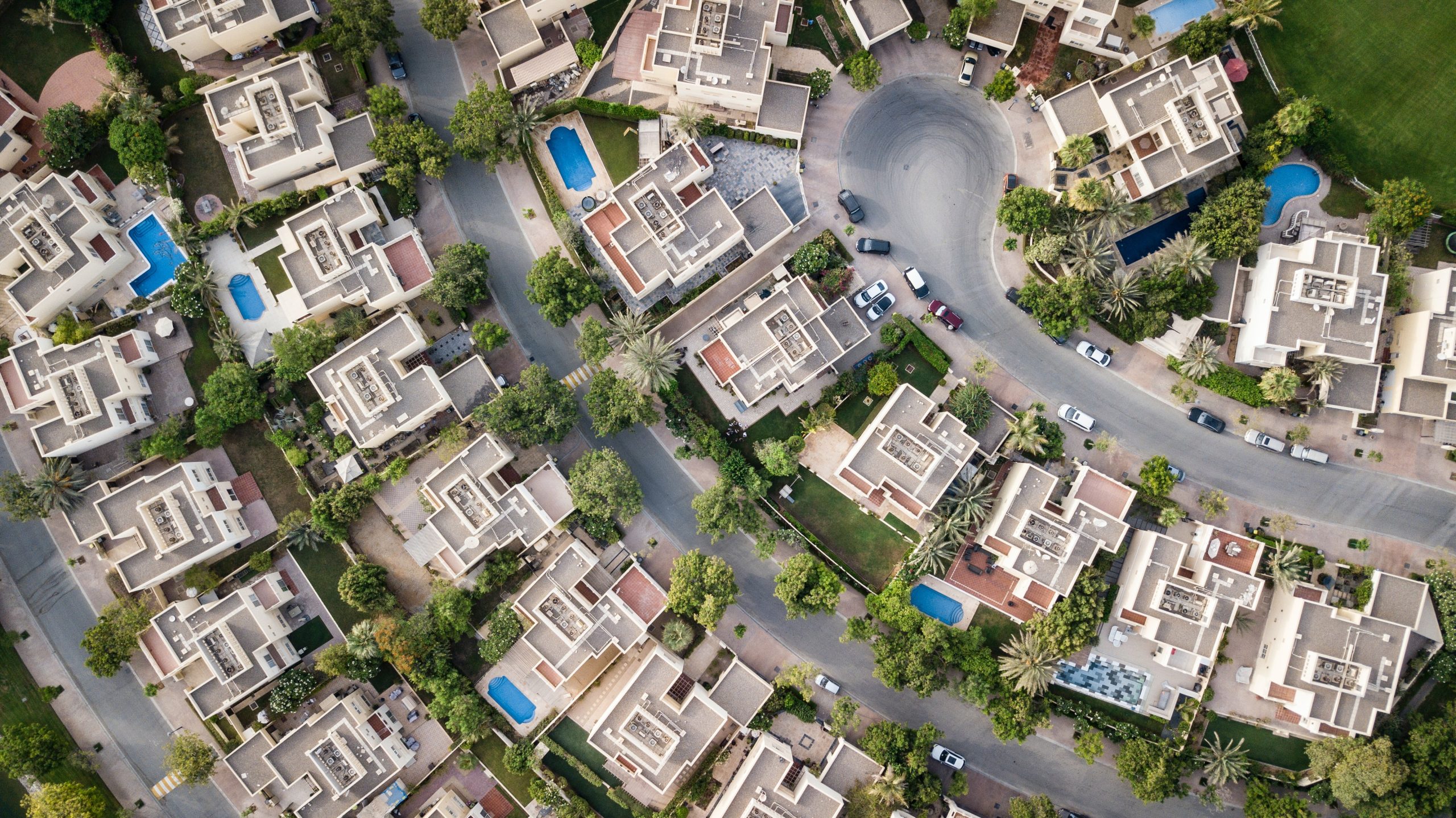
Property development is a sector of the economy focused on construction, acquisition and maintenance of real estate. It involves the purchase of land, the planning, design and construction of buildings, and sometimes managing investment activities associated with it. Real estate development, better known as property development, is an increasingly attractive business opportunity in the real estate sector.
As cities keep evolving, so does the need for new buildings, housing and infrastructure – providing developers with great chances to make a profit. In this blog, we will uncover the facets of property development: from recognizing suitable sites to securing permits and approvals, managing construction projects and ultimately marketing the completed asset. This guide contains valuable information whether you’re a seasoned expert or are just starting out in the industry.
What Industry is Property Development?
Property development is a sector of the economy that deals with the acquisition, planning, construction, and sale of real estate. It involves improving upon existing properties or constructing new ones for profit. This industry is a lucrative business, with many opportunities to make money through investment.
Property development is an essential part of the real estate world. It involves the acquisition, renovation, and leasing or selling of spaces for either commercial or residential use. Property developers are business-minded individuals who put money into land or existing structures with the aim of creating value by increasing their worth.
Property development is a complex process which involves financial investment, risk-taking and technical expertise. It includes stages ranging from feasibility studies and planning permission through to design, construction management, marketing and sales.
This industry draws an assortment of experts like architects, engineers, contractors and even legal counselors to ensure successful project executions from start to finish. Real estate developers must be in the know of market trends in order to make sound decisions about which properties promise the best returns.
Property Development is a profitable sector and plays an important role in the economy with its generation of employment and advancement of infrastructure.
What is Real Estate Development?
Real Estate Development is the process of improving, building upon, or constructing land and property. It involves transforming raw land into useful and profitable assets by creating structures such as residential, commercial, or industrial buildings. Its goal is to create value while increasing the efficiency of land use.
Real estate development is the practice of transforming land into developed properties, be it residential homes, commercial buildings, or blended-use developments. In essence, it is the skill of bringing property ideas to fruition.
Real estate developers take part in the entire development process. This involves working with architects and engineers to formulate plans for new construction projects, complying with local zoning regulations and building codes, accessing necessary financing, overseeing budgets, and contracting construction labor.
The beginning point of any real estate endeavor is recognizing a requirement or potential within the market. Developers review information on population expansion numbers, income levels, and other elements to decide what kinds of properties will be most profitable in a given location.
After a chance has been recognized, developers acquire the land via buying or leasing contracts before proceeding to the design phase. In this stage of the cycle, they collaborate with architects and engineers to make precise blueprints for each area of the venture.
Real estate development is an exciting industry with ample opportunities for those interested. It requires proficiency in various areas such as finance management, legal compliance, architectural design and engineering principles.
For anyone wishing to excel in real estate development, taking courses in finance and business management is advisable. It is also important to stay informed of the latest trends in the field. With the right practice and expertise, success in this area can be achieved.
The Basics of Property Development
Property development consists of a series of steps that takes vacant or neglected land and turns it into beneficial real estate investments. This complex procedure demands professionals proficient in areas including finance, design, construction, and project management.
The first step in the property development process is to identify a potential site by analyzing market trends, zoning regulations, and assessing local demand. After finding the right area for development, developers must then secure financing for the project.
Once they have secured financial backing, developers will commence plans for the layout of the property, and select contractors to undertake the construction. They must ensure that all building regulations are complied with while keeping spending under control.
Developers, upon completion of construction work, will market their new properties to potential buyers or tenants. If they find prospective buyers or tenants within a reasonable timeframe, the project can be deemed successful and profitable.
This brief look at the fundamentals of property development should give you an understanding of the processes required to establish these profitable investments from the outset.
To truly understand the complexities of property development, one should consult with experienced professionals, read literature, and attend seminars. With the right resources and guidance, your knowledge of this exciting field can be greatly enhanced.
Real Estate Development, A Lucrative Industry
Real Estate Development is undeniably a very profitable industry. It is easy to see why this sector has become increasingly attractive over the years; with potential returns being so high and great competition, it is no surprise that this field has seen a marked boom.
Real estate development has become increasingly popular in recent years. It is a lucrative field, involving activities such as purchasing land and transforming it into commercial or residential complexes for either sale or rent.
Real estate development has the potential to be highly lucrative for developers. Investing in prime locations and employing sound marketing strategies can yield high returns. Furthermore, leveraging financing tools can increase profits significantly.
Furthermore, real estate development provides jobs for a variety of professionals, for instance architects, engineers, contractors, sales personnel and property managers. Additionally, the construction process generates job openings for workers at the building sites.
Real estate development has a multitude of advantages, such as creating jobs, providing revenue and improving infrastructure. This often results in the revitalization of urban areas by supplying housing solutions.
As the world’s population expands, the need for residential properties increases; this suggests that real estate developers will be in ever higher demand. Investors can make good use of this opportunity by investing in lucrative real estate ventures that meet current needs and pave the way for future prosperity.
Real estate development is a prosperous industry that provides numerous advantages to the economy, job prospects, and investors. For those seeking to venture into tangible asset investments with considerable potential of long-term yields, it is a very desirable enterprise.
Conclusion
In conclusion, it is clear that air pollution is a major issue that needs to be tackled. It is becoming increasingly evident that governments must make an effort to reduce the amount of air pollution in their countries. People also need to take responsibility and do whatever they can to help tackle this worrying problem.
Real estate development, also referred to as property development, is a rewarding and evolving part of the real estate industry. As cities keep growing, the need for new homes, business buildings, and infrastructure bolsters, providing openings for developers to benefit from. So, what exactly is real estate development? In this blog, we’ll look at different aspects of property development – from pinpointing potential sites for construction to securing permits and authorizations, managing building projects and finally selling or renting the finished product. Whether you’re already in the industry or dipping your toe in for the first time, this guide will give you valuable insights into this thrilling industry.
FAQs
1. What are the dangers associated with property development?
When it comes to property development, risks are inevitable. Market fluctuation, unforeseen expenses, and construction delays can all emerge.
2. What is the cost to initiate a property development venture?
The amount of money required is contingent on the size and magnitude of the project. It is usually suggested that one have enough resources for at least 20% of the total cost before beginning.
3. Can property development be undertaken by individuals in addition to big corporations?
Individuals can certainly get involved in property development projects by investing. There are various crowdfunding platforms available which enable investors to collaborate and work together on bigger projects.
4. What skills do you need to become a successful real estate developer?
In order to be successful in the real estate development field, you need to possess certain skills. These can include being organized and detail-oriented, having excellent communication abilities, a knack for problem-solving, knowledge of the real estate market and industry trends, familiarity with construction and renovation processes, and strong negotiating skills.
5. Why is real estate development so lucrative?
Real estate has consistently proved to be a worthwhile asset due to its capacity to generate income as well as its capability to appreciate in value over the long run. This makes it a desirable option for developers aiming to gain the most out of their investments.