

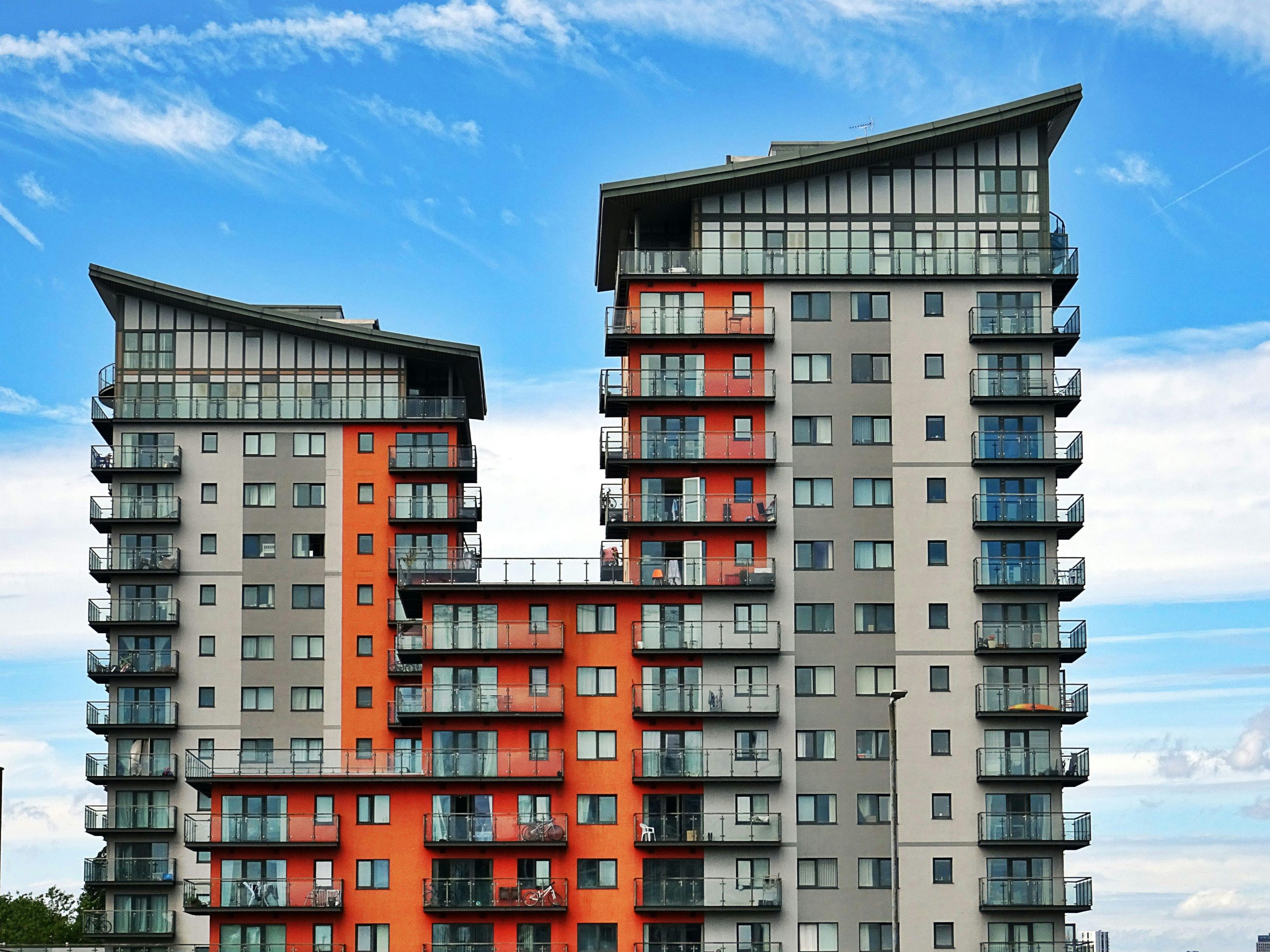
Modern apartment amenities in Australia 2025 are fundamentally changing how we define the great Australian dream.
For decades, the standard for success was a detached house with a Hills Hoist and a lawn that needed mowing every Sunday. However, a significant shift is occurring in our capital cities. As urban sprawl pushes the traditional backyard further away from the city centre, a new generation of buyers is choosing the height and convenience of vertical communities over the maintenance of a suburban block.
Living in a high-rise no longer means compromising on space or lifestyle. In fact, many modern developments now offer facilities that most homeowners could only dream of.
What are Vertical Communities?
A vertical community is more than just a stack of apartments; it is a self-contained ecosystem designed to foster social interaction and convenience.
In 2025, developers are moving away from “faceless” buildings and toward projects that integrate residential living with lifestyle hubs. These buildings often feature shared workspaces, private cinemas, and wellness centres that rival five-star resorts. By concentrating these amenities in one location, residents gain back the hours they would otherwise spend commuting to the gym or the office.
This evolution is driven by a desire for “frictionless living.” When your yoga studio is on level 10 and your favorite coffee shop is on the ground floor, your quality of life improves instantly. As noted in the PwC Emerging Trends in Real Estate 2025 report, the shift toward assets with an operational lifestyle component is now a top priority for the Australian property sector.
Amenities That Outshine the Traditional Backyard
The amenities found in 2025 developments are lightyears ahead of the basic “pool and gym” combos of the past.
Modern buyers are looking for features that reflect their actual daily habits. This includes soundproof coworking pods for the remote work era, refrigerated lockers for grocery deliveries, and even specialized pet-care facilities.
Rooftop Gardens and High-Rise Greenery
The biggest loss when moving from a house to a unit is the garden. Modern vertical communities solve this with expansive rooftop parks. These spaces often include professional-grade BBQ kitchens, fire pits, and community herb gardens. They provide a place to entertain large groups of friends that would never fit inside a standard apartment.
Pet-Friendly Infrastructure
Australia has one of the highest rates of pet ownership in the world. Developers have finally caught on, installing dedicated “pet paradises” within buildings. It is now common to find on-site dog wash stations and artificial-turf dog runs. According to pet-friendly housing insights, these amenities are a primary driver for renters and buyers who refuse to leave their furry friends behind.
Comparing the Costs – Apartment vs. House
When you buy a house, the maintenance costs fall entirely on your shoulders. If the roof leaks or the fence rots, you are the one calling the trades and paying the bill.
In a vertical community, these costs are shared through the body corporate or strata levies. While some buyers are wary of these fees, they often represent excellent value when you consider they cover the upkeep of a pool, a gym, multiple elevators, and full-time building security.
Furthermore, the energy efficiency of a modern apartment is significantly higher than that of an older detached home. Stacking units creates natural insulation, reducing the cost of heating and cooling. Research from YourHome highlights that compact, well-oriented vertical living is often a more sustainable choice for the environment and your wallet.
The Social Factor in Ending Urban Loneliness
One of the unexpected benefits of vertical living is the sense of community. Traditional suburbs can actually be quite isolating, with neighbors separated by high fences and locked garage doors.
Vertical communities are designed to break these barriers. Shared lounges and “sky garages” encourage incidental conversations. Many buildings now even employ community managers who organize events like wine tastings, book clubs, or fitness classes for residents.
For many Australians, especially those living alone or downsizing, this built-in social network is a major drawcard. It provides the security of having people nearby while maintaining the privacy of your own front door.
The Future of the “Missing Middle”
While high-rises dominate the skyline, there is also a push for “gentle density.” This involves mid-rise buildings of four to six storeys that provide the benefits of vertical living without the massive scale of a skyscraper.
These projects are essential for revitalizing middle-ring suburbs. They allow younger families to stay in the areas where they grew up, close to established schools and transport links. Organizations like the Housing Industry Association (HIA) are advocating for more of this “missing middle” to solve the current housing shortage.
By embracing vertical growth, Australia can protect its natural green belts from further sprawl while creating vibrant, walkable neighborhoods that are ready for the future.
Conclusion
Modern apartment amenities in Australia 2025 have successfully bridged the gap between the convenience of the city and the comforts of home. By trading a private lawn for a shared rooftop oasis, buyers are discovering that “less” space often leads to “more” lifestyle.
As our cities continue to evolve, the vertical community will only become more central to the Australian way of life. For more on how vertical communities are reshaping modern living, explore the Apartments section on Seen.com.au.
FAQs
1. Are strata fees really worth it?
Yes, for most people. Strata fees cover building insurance, common area maintenance, and the operation of amenities. If you were to pay for a gym membership, pool maintenance, and a gardener for a private house, the costs would often exceed your strata levies.
2. Can I still have a BBQ on my apartment balcony?
Most modern apartments allow electric or gas BBQs, but it is important to check the specific by-laws of your building. Many residents prefer using the larger, professional-grade BBQs in the communal rooftop areas for entertaining.
3. Is vertical living suitable for families with children?
Absolutely. Many new developments include “kid-friendly” zones, such as playrooms or secure outdoor spaces. Living vertically also usually places families closer to city parks, museums, and public transport.
4. How do I know if a building is “pet-friendly”?
You should always check the strata by-laws before buying. While most modern buildings are pet-friendly, some may have weight limits for dogs or require you to carry your pet through common areas.
5. Do vertical communities have good security?
Generally, yes. Most high-rise buildings feature fob-access elevators, 24/7 CCTV, and often an on-site building manager or concierge, making them significantly more secure than a standard street-facing house.