

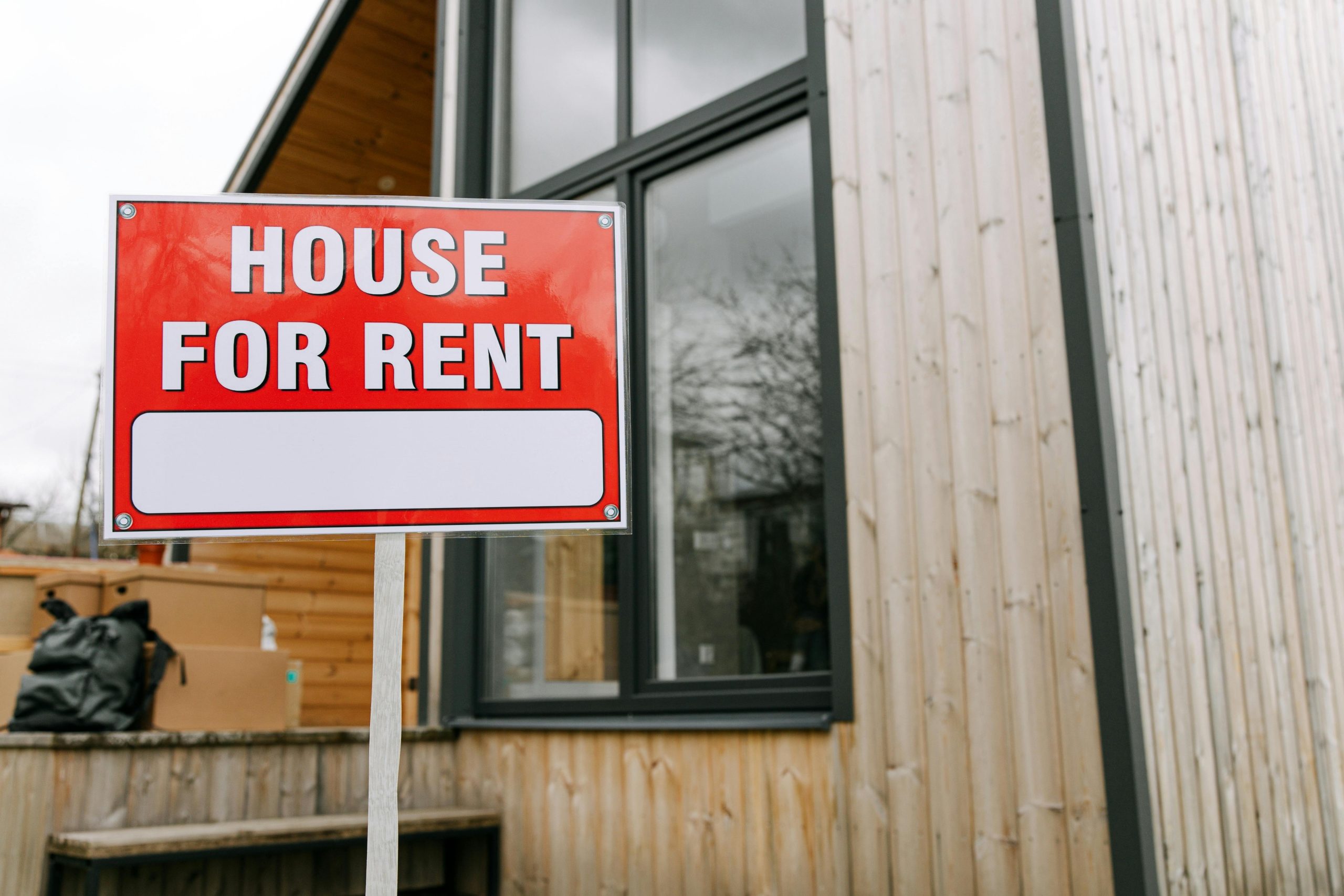
Rent increases are one of the most pressing concerns facing Australian tenants today. With rental prices climbing faster than wages across the country, understanding your rights has never been more important. Whether you’re on a fixed-term lease or a periodic agreement, knowing when and how landlords can raise your rent can help you plan your budget and challenge unfair increases.
New laws introduced across most states and territories in 2024 and 2025 have strengthened protections for renters. These changes mean landlords face stricter rules about how often they can increase rent and how much notice they must provide. But the rules still vary depending on where you live.
If you’ve recently received a rent increase notice, you might be wondering if it’s legal or excessive. Consumer Affairs Victoria and similar bodies across Australia provide crucial oversight, but tenants need to know their state-specific rights to protect themselves.
How Often Can Your Landlord Increase Rent?
The most significant change for Australian renters in recent years is the 12-month cap on rent increases. This rule now applies in most states and territories, preventing landlords from raising rent more than once a year.
In New South Wales, changes that took effect in October 2024 mean landlords can only increase rent once every 12 months, regardless of your lease type. This applies even if you renew your fixed-term lease or switch between fixed-term and periodic agreements. The clock doesn’t reset when you sign a new lease with the same landlord.
Queensland, Victoria, South Australia, and the ACT all enforce similar 12-month limits. Western Australia recently aligned with this national trend, moving from a six-month frequency limit to 12 months.
The Northern Territory remains an outlier with a more flexible approach to rent increase frequency.
These rules protect tenants from constant rent adjustments that make budgeting impossible. Even when a fixed-term lease ends and a new one begins, landlords cannot use this as a loophole to bypass the 12-month rule.
Notice Periods Matter
How much notice your landlord must give before increasing rent varies significantly between states. Getting proper written notice is a legal requirement, and increases without correct notice are invalid.
Most states require 60 days’ notice for rent increases. This applies in New South Wales, Queensland, South Australia, Tasmania, and Western Australia.
Victoria recently extended its notice period to 90 days as part of reforms that took effect in November 2024. This gives Victorian tenants three months to decide whether to accept the increase, negotiate, or look for alternative housing.
The ACT requires eight weeks’ notice, while the Northern Territory mandates just 30 days.
If your landlord sends the notice by post, they must allow additional time for delivery. In NSW, for example, landlords must add seven working days to account for postal delays.
NSW Fair Trading has published detailed guidance on these requirements. Landlords who fail to provide proper notice cannot enforce the increase.
Can You Challenge an Excessive Rent Increase?
Just because a rent increase follows the correct timing and notice requirements doesn’t mean it’s fair. Every state and territory allows tenants to challenge increases they believe are excessive.
Tribunals consider several factors when assessing whether an increase is unreasonable. They compare the new rent to market rates for similar properties in the area. They look at the condition and state of repair of your rental. They also consider any improvements or deterioration since the last rent review.
In Victoria, the Victorian Civil and Administrative Tribunal (VCAT) has become increasingly active in reviewing excessive rent increases. Victorian tenants benefit from additional oversight compared to other states.
Queensland’s Residential Tenancies Authority emphasises that market comparability is key. Even if 12 months have passed, landlords cannot simply charge whatever they want.
Gathering evidence is crucial if you want to challenge an increase. Check rental listings for comparable properties in your suburb. Document any outstanding maintenance issues or problems with the property. Note if the landlord is trying to recover costs they should be paying themselves.
The Residential Tenancies Authority Queensland provides templates and resources to help tenants prepare their case.
Lease Renewals and Rent Increases
A common misconception among tenants is that landlords can freely increase rent whenever you renew a fixed-term lease. The new state laws have closed this loophole.
Under the updated NSW rules, renewing your lease or converting from fixed-term to periodic doesn’t reset the 12-month clock. As long as the landlord hasn’t changed and at least one tenant from the original agreement remains, it’s considered the same tenancy for rent increase purposes.
This represents a fundamental shift in the balance of power between landlords and tenants. Previously, some landlords would offer short fixed-term leases specifically to enable more frequent rent increases.
Queensland applies the same principle. The 12-month rule follows the property and tenancy relationship, not the specific lease document you’ve signed.
What to Do When You Receive a Rent Increase Notice
Don’t panic when you receive a rent increase notice. Take time to assess whether it’s legal and reasonable.
First, check the date of your last rent increase. Count 12 months from when the previous increase took effect, not from when you received notice. If the proposed increase falls within the 12-month window, it’s likely invalid.
Second, verify the notice period. Count the days from when you received the notice to when the increase takes effect. Make sure it meets your state’s minimum requirements.
Third, research market rates in your area. Look at current rental listings for properties similar to yours in location, size, and condition. If the proposed rent is significantly higher than comparable properties, you may have grounds to challenge it.
Contact your state’s tenancy advice service if you’re unsure about your rights. Most states offer free advice through tenants’ unions or government agencies.
Conclusion
Rent increases might be a reality of renting in Australia, but landlords must follow strict rules about timing, notice periods, and reasonableness. The 12-month cap now in place across most of the country gives tenants breathing room to plan their budgets and challenge excessive increases.
Know your state-specific rights around notice periods and increase frequency. Don’t be afraid to challenge increases that seem unfair or retaliatory. Tribunals are increasingly supporting tenants who gather solid evidence about market rates and property conditions. For more helpful advice on navigating the rental market, check out our guide understanding your property investment.
FAQs
1. Can my landlord increase rent during a fixed-term lease?
Generally, no. Rent increases during a fixed-term lease are only valid if the lease agreement explicitly includes a rent review clause specifying when and how increases will occur. Even then, the increase must still comply with minimum notice periods and the 12-month frequency rule in most states.
2. What happens if my landlord doesn’t provide proper notice?
A rent increase without proper written notice is invalid and unenforceable. You can continue paying your current rent until the landlord provides correct notice with the required timeframe. If they try to evict you for not paying the increased amount, tribunals will typically rule in your favour.
3. How do I prove a rent increase is excessive?
Gather evidence of comparable rental properties in your area currently advertised at lower rates. Document any maintenance issues or problems with your rental. Check your state tribunal’s website for specific guidance on what evidence they consider. Most tribunals also look at the size of the increase relative to your current rent.
4. Does the 12-month rule apply if I sign a completely new lease?
Yes, in most states. As long as the landlord hasn’t changed and at least one tenant from the previous agreement remains, it’s considered a continuation of the same tenancy. Landlords cannot reset the 12-month clock by offering you a new lease agreement for the same property.
5. Can I negotiate a rent increase instead of accepting it?
Absolutely. You can discuss the proposed increase with your landlord or property manager. If you have a good rental history, the property has issues, or market rates don’t support the increase, you may be able to negotiate a lower amount. Always communicate in writing to keep a record of discussions.