

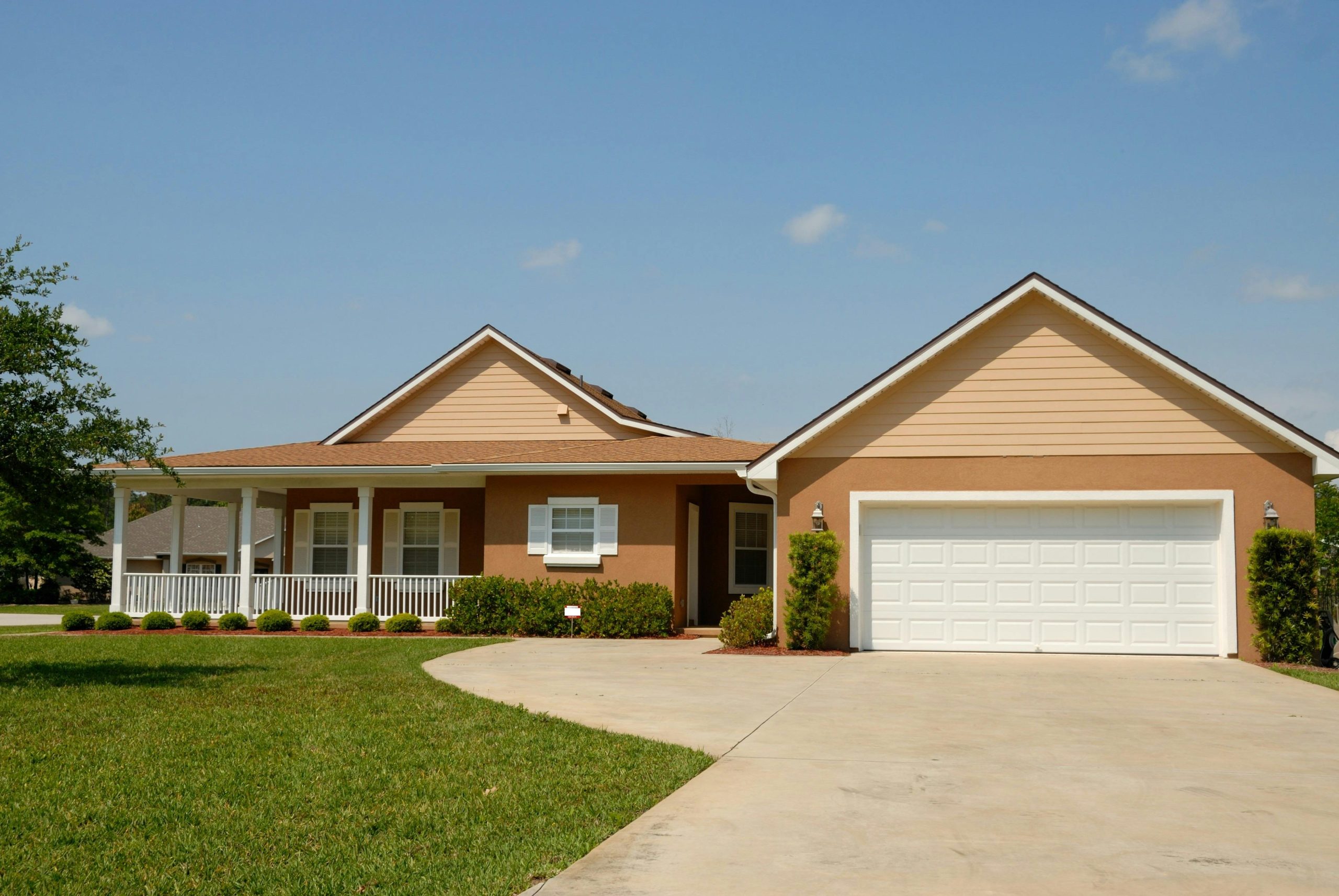
How much is my property worth? This question keeps many Australian homeowners awake at night, especially with property values continuing to shift across the country.
Whether you’re planning to sell, refinance, or simply curious about your biggest investment, understanding your property’s true worth is crucial for making informed financial decisions.
Getting an accurate property valuation isn’t just about satisfying curiosity. It empowers you to make strategic moves in Australia’s dynamic real estate market, where national house prices increased by 5.1% in 2024 and values continue evolving with economic conditions.
Understanding Property Valuation Basics
Property valuation determines the current market value of your home based on various factors and methodologies.
For valuations of real property the ‘market approach’ is most commonly used however, the ‘income approach’ and ‘cost approach’ are also regularly used.
The market approach compares your property to similar homes that have recently sold in your area.
This method considers location, size, condition, and features to estimate what buyers would pay for your property today.
Professional valuers use standardised methods to ensure accuracy and consistency.
They analyse comparable sales data, inspect your property thoroughly, and consider current market conditions to provide reliable estimates.
Key Factors That Determine Property Value
Location remains the most significant factor affecting property worth.
Properties in desirable suburbs with good schools, transport links, and amenities typically command higher prices than those in less sought-after areas.
Property size and layout significantly impact valuation. Larger homes with functional floor plans generally attract higher values, though the relationship isn’t always linear.
The condition and age of your property directly influence its worth. Well-maintained homes with modern updates typically achieve better valuations than properties requiring significant repairs or renovations.
Professional Valuation Methods
Sales Comparison Method
This method relies on finding comparable properties, or “comps,” that have recently sold in the local market.
Valuers analyse similar properties within your suburb that sold within the past three to six months.
The comparison considers property size, land area, number of bedrooms and bathrooms, garage spaces, and special features.
Adjustments are made for differences between your property and the comparable sales.
Recent sales data provides the most accurate baseline for current market conditions. Valuers typically examine at least three comparable properties to ensure reliability.
Cost Approach Method
The cost approach calculates what it would cost to rebuild your property from scratch, minus depreciation, plus land value.
This method works particularly well for newer properties or unique homes with limited comparable sales.
Builders’ costs, materials prices, and labour rates form the foundation of this approach.
The valuer then subtracts depreciation based on the property’s age and condition.
Land value is assessed separately using recent vacant land sales in your area. This combination provides a comprehensive replacement cost estimate.
Income Approach Method
Investment properties often use the income approach, which calculates value based on rental income potential. This method considers current rental rates, vacancy rates, and operating expenses.
The capitalisation rate reflects the expected return on investment for similar properties in your area. Lower cap rates typically indicate more stable, desirable investment locations.
Net operating income divided by the capitalisation rate produces the estimated property value. This approach proves most relevant for income-generating properties.
DIY Property Valuation Tips
Research Comparable Sales
Start by researching recent sales in your neighbourhood using online property databases. Look for properties sold within the past six months that share similar characteristics with yours.
Consider factors like property type, size, land area, and condition when selecting comparables. Properties within a 500-metre radius typically provide the most relevant comparisons.
Make note of unique features or defects in comparable properties that might affect their sale prices. Swimming pools, renovations, or structural issues can significantly impact final values.
Use Online Valuation Tools
Several Australian websites offer automated property valuations based on recent sales data and property characteristics. These tools provide quick estimates but should be used as starting points rather than definitive values.
Domain, realestate.com.au, and CoreLogic RP Data offer online estimation tools that analyse local market data. Input your property details accurately to receive more reliable estimates.
Remember that automated valuations can’t account for property-specific factors like condition, renovations, or unique features that significantly impact value.
Consider Market Conditions
Current market conditions heavily influence property values across Australia.
Persistent supply constraints, coupled with steady demand, sustained upward pressure on prices, resulting in a 7.53% year-on-year increase in home values by December 2024.
Interest rates, employment levels, and government policies affect buyer demand and property prices.
Rising interest rates typically reduce buyer purchasing power, while lower rates stimulate market activity.
Seasonal factors also influence property values, with spring traditionally being the strongest selling season in most Australian markets.
When to Get Professional Valuations
Legal and Financial Requirements
Property valuations might be necessary for a number of reasons including: refinancing; financial reports; tax purposes; or family law mediation.
Banks require professional valuations for mortgage applications and refinancing to ensure the property provides adequate security for the loan amount.
Family law proceedings often need independent property valuations to divide assets fairly between parties.
Investment Decisions
Property investors benefit from professional valuations when making purchase decisions, particularly for unique or commercial properties where comparable sales data is limited.
Regular valuations help investors track portfolio performance and make informed decisions about holding, selling, or refinancing investment properties.
Professional valuations provide reliable documentation for tax purposes, insurance claims, and investment analysis.
Maximising Your Property Value
Cost-Effective Improvements
Focus on improvements that deliver strong returns on investment. Kitchen and bathroom renovations typically provide good value, while swimming pools may not add equivalent value to their cost.
Fresh paint, updated fixtures, and improved landscaping can significantly enhance property appeal without major expense.
Energy-efficient upgrades like insulation, solar panels, and efficient heating systems increasingly attract environmentally conscious buyers.
Presentation and Staging
First impressions matter enormously in property valuation and sales. Ensure your property is clean, well-maintained, and presented at its best during inspections.
Decluttering and staging help potential buyers and valuers visualise the property’s potential. Remove personal items and excess furniture to create spacious, neutral environments.
Address obvious maintenance issues before professional inspections. Small repairs and touch-ups can prevent valuers from applying significant condition adjustments.
Understanding Valuation Reports
Professional valuation reports contain detailed analysis of your property’s worth, including the valuation method used, comparable sales data, and factors influencing the final figure.
Reports typically include property descriptions, photographs, floor plans, and detailed explanations of how the valuer reached their conclusion.
Understanding your valuation report helps you make informed decisions about pricing, improvements, or market timing.
Knowing how much is my property worth empowers you to make confident decisions in Australia’s evolving real estate market.
Whether using professional services or DIY methods, accurate property valuation provides the foundation for successful property ownership and investment strategies.
FAQs
- How often should I get my property valued?
Most property owners should consider professional valuations every 2-3 years or when major market changes occur.
Investment properties may require annual valuations for tax and portfolio management purposes.
- What’s the difference between a valuation and an appraisal?
In Australia, valuations are formal assessments conducted by licensed professionals for legal or financial purposes.
Appraisals are often less formal estimates provided by real estate agents for marketing purposes.
- Can renovations decrease my property value?
Poor quality renovations or over-capitalising for your neighbourhood can potentially decrease property value.
Always research local market expectations and quality standards before undertaking major improvements.
- How accurate are online property valuation tools?
Online tools typically provide estimates within 10-20% of actual value but can’t account for property-specific factors.
They’re useful for initial estimates but shouldn’t replace professional valuations for important decisions.
- Do property valuations expire?
Most lenders accept valuations for 3-6 months, though this varies by institution and market conditions.
Rapidly changing markets may require more recent valuations for financial purposes.