

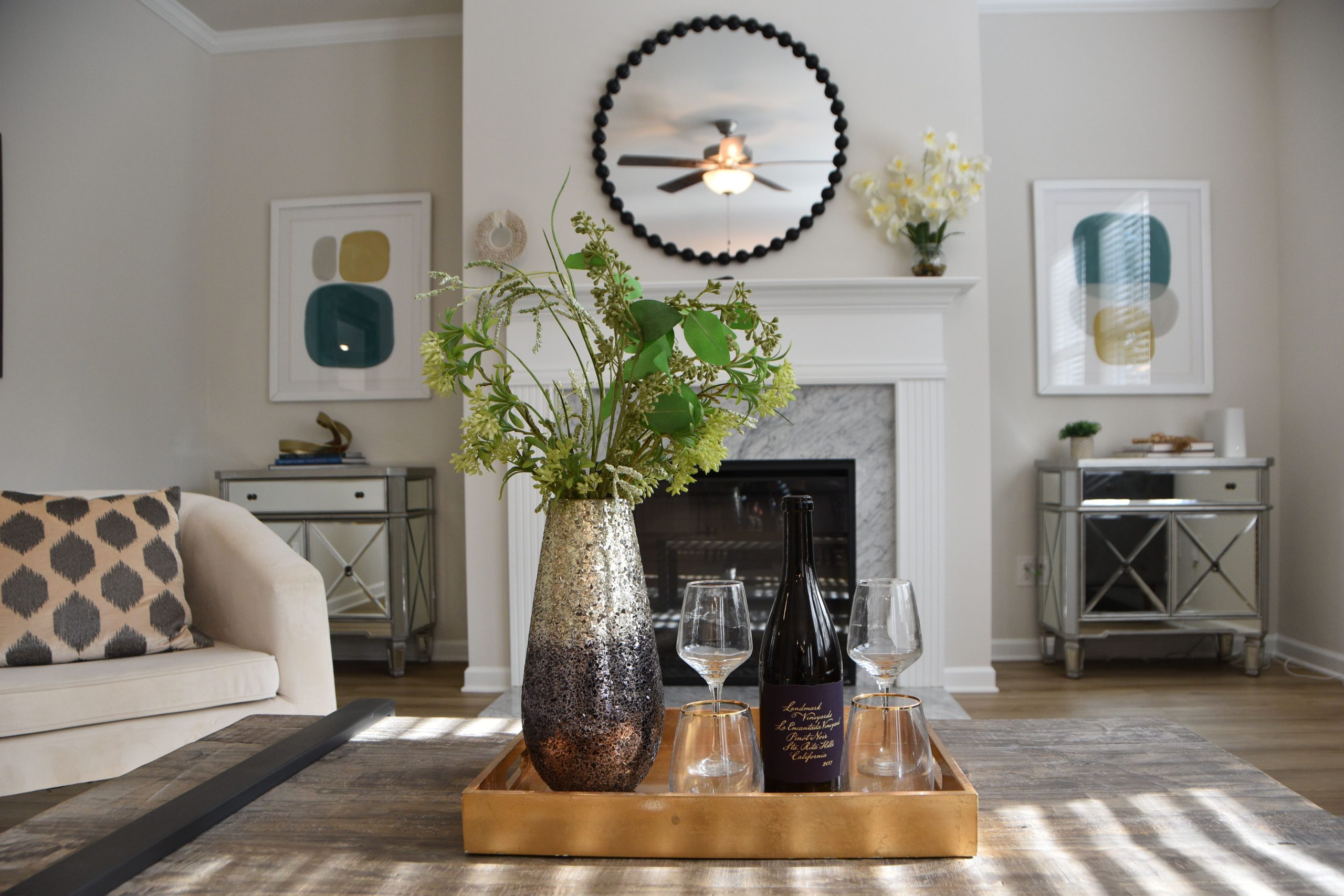
Home staging is the practice of presenting a property, whether still furnished by the current owners or freshly styled with rented furniture, so it looks its best to potential buyers. A home that feels warm and well cared for tends to make a stronger impression than one that feels empty or cluttered.
Many Australian sellers wonder whether paying for staging is genuinely worth it, or just an extra cost. This article looks at what staging involves, why it can help buyers picture themselves living in a space, and how to decide whether it suits your property and market.
What Is Home Staging?
Home staging means preparing a property so it presents at its best, rather than simply reflecting how the current owner lives day to day. It can involve rearranging furniture, bringing in rented pieces, adding soft furnishings, and clearing away personal clutter.
The goal is a home that feels neutral enough for a wide range of buyers to imagine themselves living there. Staging differs from renovating. It is about presentation layered on top of what already exists, not changing the structure or finishes.
Some sellers style just the living areas and main bedroom, while others stage the whole home. The right approach usually depends on the property type, the target buyer, and local market conditions.
Occupied vs Vacant Homes: Two Different Staging Approaches
There are two common staging situations, and they generally call for different approaches. An occupied home is one where the seller is still living in the property while it is on the market.
Staging an occupied home usually means decluttering, depersonalising and rearranging what is already there, sometimes with a few extra pieces brought in.
A vacant home is empty, either because the seller has moved out or it is a new build or investment property. Vacant homes can feel cold on inspection, so stagers often furnish the whole space from scratch.
Recent property market research suggests empty rooms can be harder for buyers to judge in terms of scale and flow, which is one reason vacant staging has become common for new apartments and display homes.
What Staging Typically Involves
Staging generally starts with a declutter. Removing excess furniture, personal photos and everyday clutter helps buyers focus on the space itself rather than the seller’s belongings.
From there, staging can include rearranging or replacing furniture to improve flow, adding neutral soft furnishings, and styling key areas such as the kitchen, living room and main bedroom.
Minor cosmetic touch ups are often part of the process too, such as a fresh coat of neutral paint, fixing a loose cupboard door, or replacing dated light fittings.
None of this changes the bones of the home, but it can make a real difference to how the property photographs and feels during an open inspection.
Why Staging Can Help Buyers Connect With a Property
The general reasoning behind staging is helping buyers visualise themselves living in a home, rather than seeing it as someone else’s house. A styled room gives buyers a sense of scale, showing how furniture might fit and how a space could be used.
This can be especially useful for smaller rooms, awkward layouts, or homes with a purpose that is not obvious, such as a study nook or multi use space.
Current market data suggests presentation plays a real role in how quickly buyers form an impression of a property, both online and in person. Since most buyers browse listing photos before deciding whether to attend an inspection, a well presented home may attract more interest from the outset.
Weighing Up the Cost of Staging
Staging is a cost that sellers need to weigh up against the potential benefits of a faster sale or a stronger price. Costs vary depending on whether a home is partially or fully staged, how long furniture is hired for, and the size of the property.
Because there is no fixed price for staging, it is worth getting a few quotes. It is also worth viewing staging as part of the overall cost of selling, alongside marketing, conveyancing and any repairs.
Moneysmart has general guidance on budgeting for the costs involved in selling a property. Speaking with a conveyancer or financial adviser about your overall selling budget can help put staging costs in context.
Budget Friendly Alternatives to Full Staging
Not every seller needs to pay for full staging. There are lower cost ways to present a home well, and a thorough declutter and clean can make a noticeable difference on its own.
Low cost steps sellers can consider include:
- Decluttering and packing away excess belongings and personal items before photos and inspections.
- Giving the home a deep clean, including carpets, windows and outdoor areas.
- Attending to minor repairs, such as touching up paint or fixing squeaky doors.
- Improving kerb appeal with tidy gardens and a clean, welcoming entryway.
- Investing in professional photography, since listing photos are often a buyer’s first impression.
The ATO allows some selling costs to be taken into account when working out capital gains for investment properties, so it is worth keeping records and checking current rules for your situation.
Questions to Ask Your Agent About Staging
A local real estate agent will usually have a good sense of whether staging suits your property and current market. It is worth asking whether staging is common for similar homes in your area.
Ask whether buyers tend to respond to styled versus lived in presentation, and which specific areas the agent would recommend focusing on, rather than assuming the whole property needs styling.
It is also reasonable to ask for examples of similar properties the agent has sold, with and without staging, to get a feel for local buyer expectations.
The Real Estate Institute of Australia sets professional standards for agents, and a good agent should explain their reasoning clearly rather than simply recommending staging as a default.
Conclusion
Home staging can help some properties present better and connect with buyers faster, but it is not a guaranteed formula for a higher sale price. Whether it is worth the cost depends on your property, budget and local market.
As with any significant property decision, it is worth getting independent advice specific to your situation before committing to staging or any other selling expense.
Speak with a licensed agent, a conveyancer or a financial adviser, and browse seen.com.au for more articles, or to explore apartments, townhouses and land estates across major Australian cities.
FAQs
1. Does home staging guarantee a higher sale price?
No. Staging may help some properties present better and attract stronger buyer interest, but there is no guarantee it will increase the final sale price.
Results depend on the property, the local market and buyer demand at the time. A local agent can give you a more realistic view for your situation.
2. Is staging worth it for every type of property?
Not necessarily. Staging tends to make the biggest difference for vacant homes, smaller spaces, or properties with layouts that are hard to read.
Some homes, especially those already well presented, may not need much beyond a good clean and declutter.
3. How long before a sale should staging happen?
Staging is generally arranged shortly before photography and the first open inspection, so the property looks its best from the very start of the campaign.
Talk to your agent about timing this alongside your marketing schedule so the home is ready when listing photos are taken.
4. Can I stage a home myself without hiring a professional?
Yes, many sellers do their own light staging by decluttering, cleaning and rearranging existing furniture.
Professional stagers bring additional furniture, styling expertise and an outside perspective, which can be useful for vacant or larger homes, but it is not compulsory.
5. Are staging costs tax deductible?
This depends on your circumstances, including whether the property is your home or an investment.
The ATO has guidance on what selling costs can be included when calculating capital gains for investment properties, and a tax professional can advise on your specific situation.