

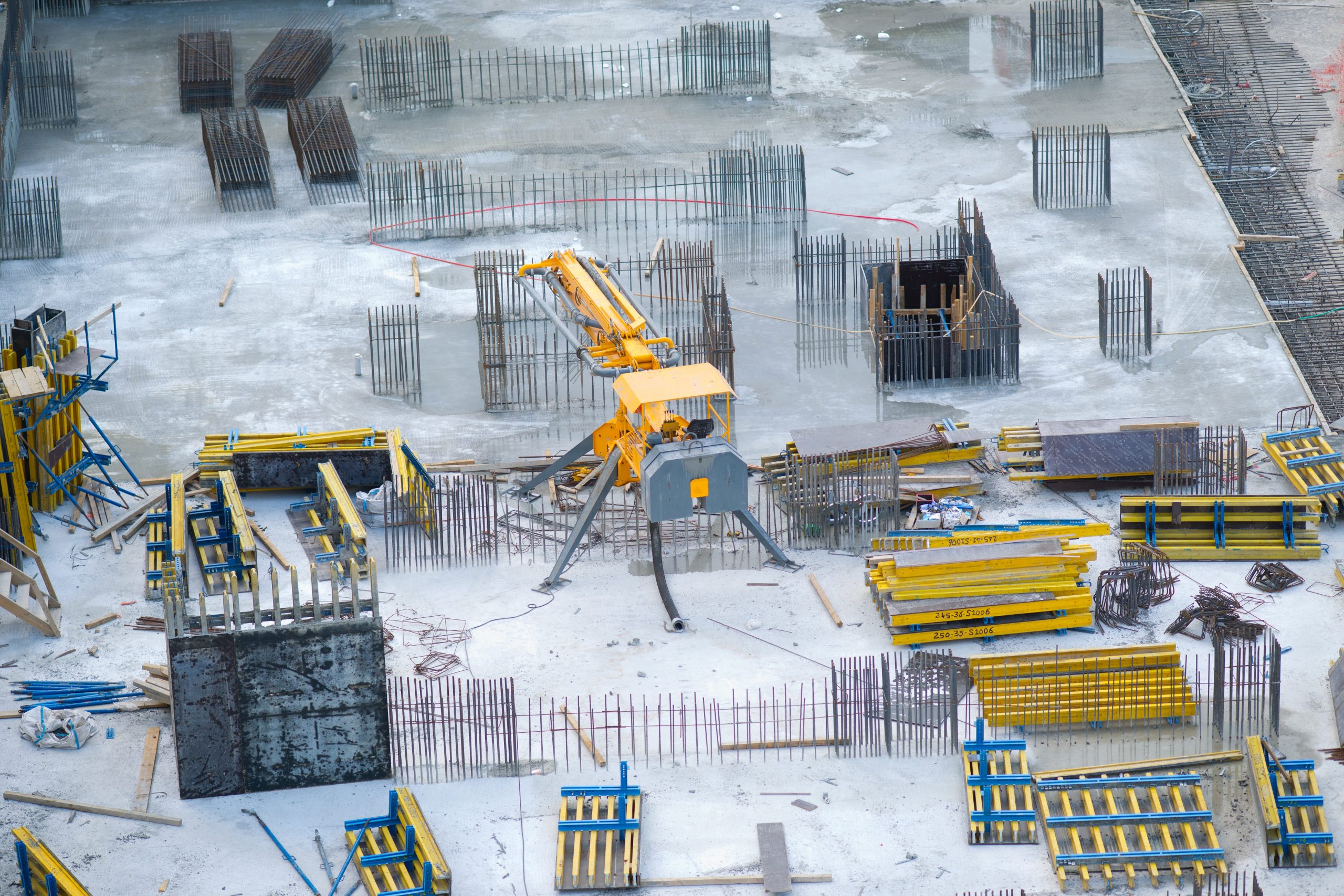
Bulkheads, or bulkheads and bracing, are an integral part of construction. They provide support to a structure and help maintain its integrity. Not only that, but they also provide protection against impacts due to their rigid design. Despite the importance of bulkheads in construction projects, many people remain unaware of what they are and how they are used. For those looking for a comprehensive overview of bulkheads in construction, this blog post is for you. We’ll cover everything from what a bulkhead is to how it is installed, and more. So read on to learn more about these vital components of building construction.
What are Bulkheads?
Bulkheads are an important part of any construction project. They are used to support the weight of the structure and keep it from shifting during an earthquake or other disaster. Bulkheads can be made from a variety of materials, including wood, concrete, and metal. They are usually placed at strategic points around the perimeter of the building.
Types of Bulkheads
Bulkheads come in many different types, each with their own advantages and disadvantages. The most common bulkhead types are:
- Gravity Bulkheads: Gravity bulkheads rely on the weight of the soil or water on either side of the wall to keep it in place. They are typically made of concrete or stone, and can be very effective at keeping out water. However, they are also very expensive and can be difficult to install.
- Sheet Pile Bulkheads: Sheet pile bulkheads are made of interlocking sheets of metal or plastic that are driven into the ground. They are relatively inexpensive and easy to install, but can be susceptible to damage from waves or tides.
- Slurry Walls: Slurry walls are made of a concrete-like material that is pumped into place between two metal walls. They are extremely effective at keeping out water, but are also very expensive and difficult to install.
- Trench Bulkheads: Trench bulkheads are simply trenches filled with sand, gravel, or another material that is used to block water flow. They are relatively inexpensive and easy to install, but can be washed away by strong currents or waves.
Applications of Bulkheads
Bulkheads are an important element in many types of construction, from residential to commercial to industrial. Bulkheads can be used to reinforce walls, support ceilings, and create compartments or rooms within a larger space. They can also be used to seal off areas that need to be isolated from the rest of the structure, such as hazardous materials or equipment rooms.
Bulkheads come in many different shapes and sizes, and can be made from a variety of materials. The most common type of bulkhead is the metal bulkhead, which is typically made from steel or aluminium. Metal bulkheads are strong and durable, and are often used in high-stress applications. However, they can be susceptible to corrosion if not properly maintained.
Wooden bulkheads are another popular option, especially for residential applications. Wooden bulkheads are typically made from pressure-treated lumber, which makes them resistant to rot and insect damage. They are also relatively easy to install compared to metal bulkheads. However, wooden bulkheads are not as strong as metal ones and may require more frequent maintenance.
Concrete bulkheads are another common type of construction bulkhead. Concrete is a very strong material that can withstand a lot of weight and stress. Concrete bulkheads are often used in industrial applications where strength and durability are critical. However, concrete can be difficult to work with and may require specialized training for installation.
Advantages of Bulkheads
Bulkheads are an essential component of many construction projects, providing support and stability to the structure. Bulkheads can be made from a variety of materials, including wood, metal, and concrete, and are often used in combination with other types of supports, such as columns and beams.
Bulkheads have many advantages over other types of supports, including:
- Increased stability: Bulkheads are very effective at stabilizing structures, especially when used in combination with other supports.
- Cost savings: Bulkheads can be cheaper than other types of supports, especially when mass-produced.
- Easy installation: Bulkheads are typically easy to install, which can save time and labour costs on construction projects.
Disadvantages of Bulkheads
There are a few disadvantages to installing bulkheads in construction projects. First, they can be expensive. Second, they can be difficult to install, especially if the project is large and complex. Third, if not installed properly, bulkheads can leak, which can cause significant damage to the surrounding area.
How to Install Bulkheads
Bulkheads are an important part of any construction project, and proper installation is critical to their performance. This article will provide a comprehensive overview of bulkhead installation, including the necessary tools and materials, step-by-step instructions, and troubleshooting tips.
Tools and Materials Needed:
- Tape measure
- Level
- Pencil or marker
- String or twine
- Digging tools (shovel, pickaxe, etc.)
- Bulkhead material (timber, concrete, plastic, etc.)
- If using timber, you will also need nails or screws and a drill/driver
- If using concrete, you will also need Portland cement, gravel, and water
- If using plastic, you will also need PVC adhesive or primer
Step-by-Step Instructions:
- Measure the area where the bulkhead will be installed and mark the corners with a pencil or marker. Use a tape measure to ensure that the marks are equidistant from each other.
- Stretch a string or piece of twine between the marks to create a straight line. This line will be used as a guide when digging the trench for the bulkhead.
- Using your digging tools, excavate a trench along the marked line to the desired depth (typically 12-18 inches).
Maintenance and Repair of Bulkheads
Bulkheads are an important part of any construction project, and their maintenance and repair is essential to the success of the overall project. Bulkheads can be made from a variety of materials, including wood, concrete, metal, or plastic, and each type has its own set of maintenance and repair requirements.
Wooden bulkheads should be inspected regularly for signs of rot or damage, and any damaged boards should be replaced immediately. Concrete bulkheads should be checked for cracks or other structural damage, and any damaged sections should be repaired or replaced as soon as possible. Metal bulkheads should be regularly inspected for rust or other corrosion, and any damaged parts should be replaced as soon as possible. Plastic bulkheads should be checked for cracking or other damage, and any damaged parts should be replaced as soon as possible.
Bulkhead repairs can be simple or complex, depending on the extent of the damage. Minor repairs, such as replacing a few damaged boards on a wooden bulkhead or repairing a small crack in a concrete bulkhead, can usually be completed by handy homeowners with minimal experience. More extensive repairs, such as replacing an entire section of a bulkhead or repairing major structural damage, may require the assistance of a professional contractor.
When it comes to maintaining and repairing bulkheads, it is important to act quickly to prevent further damage from occurring. By regularly inspecting bulkheads and making repairs promptly when needed, homeowners can keep their construction projects on track and avoid costly delays
Conclusion
Bulkheads in construction are an important component of any structure and can be used to great effect. They provide both structural support and insulation, as well as providing an additional layer of protection against moisture damage. With the right materials and design, bulkheads can help make a building more durable, energy efficient and comfortable for occupants. With this comprehensive overview of bulkheads in construction, we hope you have gained a better understanding of their purpose and will consider incorporating them into your next project.
FAQS
1. What are bulkheads?
Bulkheads are walls that are built to support the weight of the soil and other materials above it. They are usually made of concrete or masonry and can be either vertical or horizontal.
2. Why are bulkheads important in construction?
Bulkheads play an important role in construction because they help to stabilize the soil and keep it from moving around. This is especially important in areas where there is a lot of foot traffic or where the ground is not level. Bulkheads can also help to prevent water from seeping into a building or causing erosion.
3. How are bulkheads constructed?
Bulkheads are usually constructed by pouring concrete or masonry into forms that have been built on site. The forms can be either temporary or permanent, and they can be either vertical or horizontal. Once the concrete or masonry has cured, the forms are removed and the bulkhead is ready for use.
4. What are some common uses for bulkheads?
Bulkheads are commonly used in basement walls, retaining walls, and foundation walls. They can also be used in landscaping, to create steps or terraces, and to support other structures such as decks and porch roofs.
5. Are there any special considerations when installing bulkheads?
When installing bulkheads, it is important to make sure that the forms are level and that the wall is thick enough to support the weight of the soil and